
Learn about financial scams and fraud in the age of Artificial Intelligence

Financial scams and fraud in digital environments are not new, but artificial intelligence (AI) has made them more sophisticated and difficult to detect. To carry out these deceptions, criminals now resort to fictitious messages and websites, fake profiles of famous people, and even AI-generated voices or videos that mimic bank employees, friends, or family members. […]
Is this secure? Be equally cautious in the digital realm.

This holiday season, before you commit to that online bargain, consider carefully whether it might be a scam… The banking sector is with you.
Are you certain of your delivery? In the digital sphere, be equally vigilant.

Receiving your ordered items is of paramount importance; verifying that a link is secure is even more critical. The banking sector, with you.
Are you sure you haven’t forgotten anything? In the digital world, be just as careful

Are you the type of person who checks under the hotel bed repeatedly to make sure you haven’t left anything behind? Then do the same with that message ‘supposedly’ sent by your bank… The banking sector, with you.
Protect yourself, fraud prevention is in your hands (2)

If you receive a suspicious SMS or email, think before clicking the link. And if you receive an urgent phone call, remember: in urgent situations, exercise caution. The Spanish Banking Association (AEB), CECA, the National Union of Credit Cooperatives (Unacc), the National Association of Financial Credit Institutions (ASNEF), the National Cybersecurity Institute (Incibe), the Civil Guard, and the National Police have launched a cybersecurity awareness campaign with the aim of strengthening the digital security of all individuals. Protecting against cyberattacks is a shared responsibility between the banking institution and the client.
Protect yourself: preventing fraud is in your hands (1)
If you receive a text message or an email with an alert about your bank account, do not click the link or share your access codes. And if you receive a phone call, do not provide personal information and hang up. The Spanish Banking Association (AEB), CECA, the National Union of Credit Cooperatives (Unacc), the National Association of Financial Credit Institutions (ASNEF), the National Cybersecurity Institute (Incibe), the Civil Guard and the National Police have launched a cybersecurity awareness campaign with the aim of strengthening everyone’s digital security. Protecting against cyberattacks is a shared responsibility between the bank and the customer.
What is a money mule and why is it illegal?

A money mule is someone who transfers, usually to other countries, illegally obtained money received in their account in exchange for a commission. Acting as a money mule is illegal and helps criminal organizations launder money and easily transfer it from one country to another.
Tips to avoid falling for phishing scams
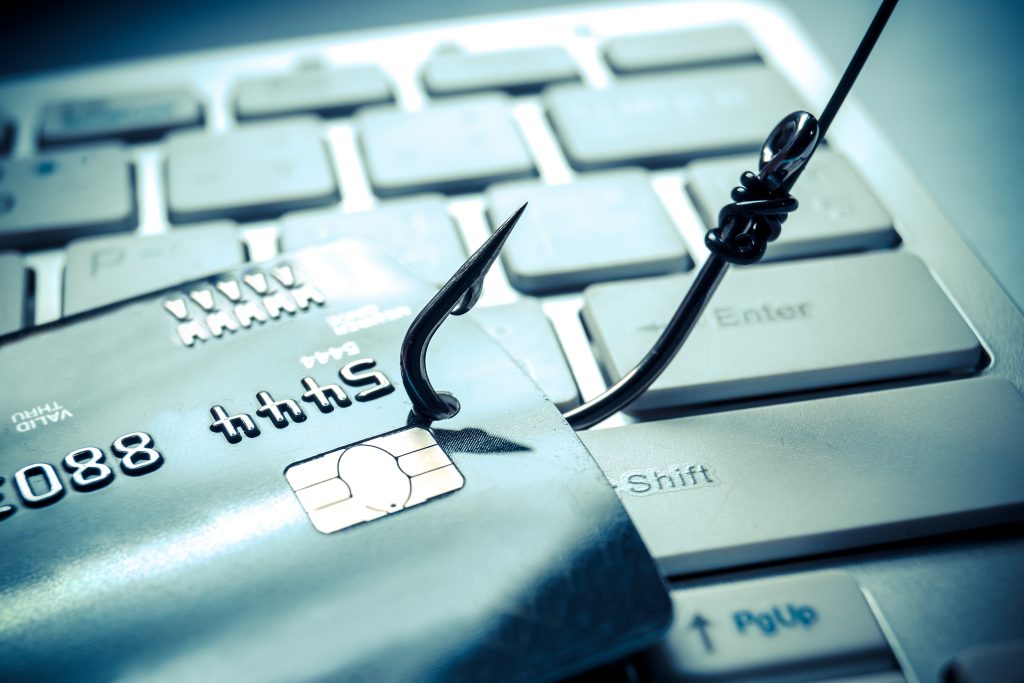
Are you familiar with phishing? It is an email scam used by cybercriminals to steal your data and your money. Here you can learn some tips to avoid becoming a victim of this fraud. This is the third spot launched by the AEB, CECA, Unacc and ASNEF associations as part of the cybersecurity campaign launched in October in collaboration with Levanta la Cabeza (Atresmedia), which aims to strengthen the digital security of all users.
Learn about phishing, vishing and smishing techniques and protect yourself from cybercriminals.

The associations AEB, CECA, Unacc and ASNEF have launched the second TV spot of the cybersecurity campaign started this month in collaboration with Levanta la Cabeza (Atresmedia). This initiative aims to strengthen users’ digital security, as they may be targeted through techniques such as phishing (email), vishing (phone call) or smishing (SMS or instant messaging). Here you can watch the second campaign spot.
Learn About Crypto-Asset Investment Scams

The European Cybercrime Centre (EC3) of Europol, the European Banking Federation, the Spanish Banking Association, the National Police, and the Civil Guard have developed basic prevention tips for crypto-asset investment scams, because the more aware we are as individuals of potential fraud, the safer we can be.