Home / Latest News / You may be interested in / Articles / Investors and Sustainability
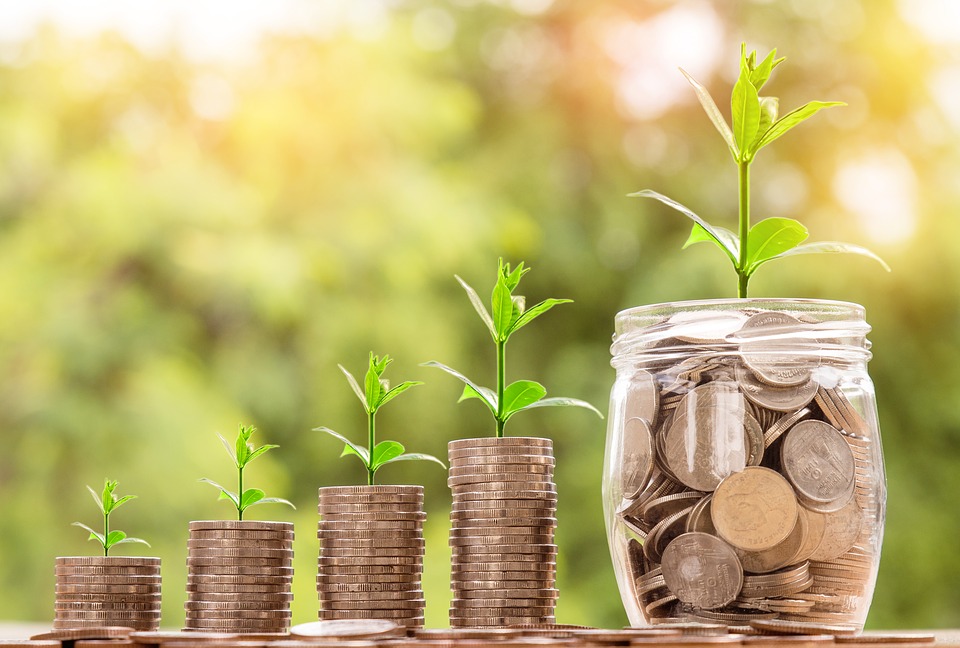
Financial literacy enables us to make financial and investment decisions with a critical mindset, understanding and accepting our rights and obligations. However, attempting to optimize the relationship between return and assumed risk is not always easy, especially when risks are difficult to assess and when returns extend beyond quantifiable financial metrics. This is the case with green assets, those that in some way contribute to preserving the environment.
The growth of this type of asset in the market has been exponential in recent years. Their volume is already estimated at more than €200 billion, and their evolution is not expected to slow down in the coming years if we consider the targets set in the Paris Agreements. A great deal of money will be needed to transition to a decarbonized economy, a challenge we must all face with determination even though the path is fraught with uncertainties. Banks are committed to financing the process, either directly or by channeling third-party funds, and to driving the changes that must occur in companies. The strong appetite of financial investors for this type of asset is also clear despite their complex valuation. The risk of climate change, increasingly imminent and inevitable, is also difficult to assess without a single methodology and clear standards.
Despite so many unknowns, sustainability is becoming established as a key decision-making factor when managing investments. Whether due to a generational or sociological factor, social awareness of the benefits of caring for the planet and the costs of not doing so is growing. Financial markets, always efficient, are already attempting to quantify the return/cost ratio of green investments with the limited information available.
José Luis Martínez Campuzano, spokesperson for the Spanish Banking Association