Home / Latest News / You may be interested in / Articles / Cybersecurity: Everyone’s Responsibility
We live comfortably alongside the advances of new technologies, which influence how we behave and even how we think. While the process of society’s adaptation to digital transformation was already rapid before the health crisis, the lockdown during this pandemic made it essential. Everyone—citizens, companies, and authorities alike—is aware of the benefits and opportunities of the Internet, perhaps even more so than before. But are we aware of the risks involved?
The main concerns for SMEs are finding customers and employees with the right profile, and the strategy to follow to face competition, according to an ECB survey in September. In their responses, however, there were few signs that the need to increase security has grown at the same exponential rate as their digital operations. Large companies reflect greater concern in this regard in the latest Deloitte ‘Future of Cyber’ survey from 2019. This firm acknowledges that executive perception is well ahead of the reality of their companies. Once the ‘wait and see’ strategy has been overcome, the need to integrate cybersecurity into the company’s digital transformation has still not been fully internalized.
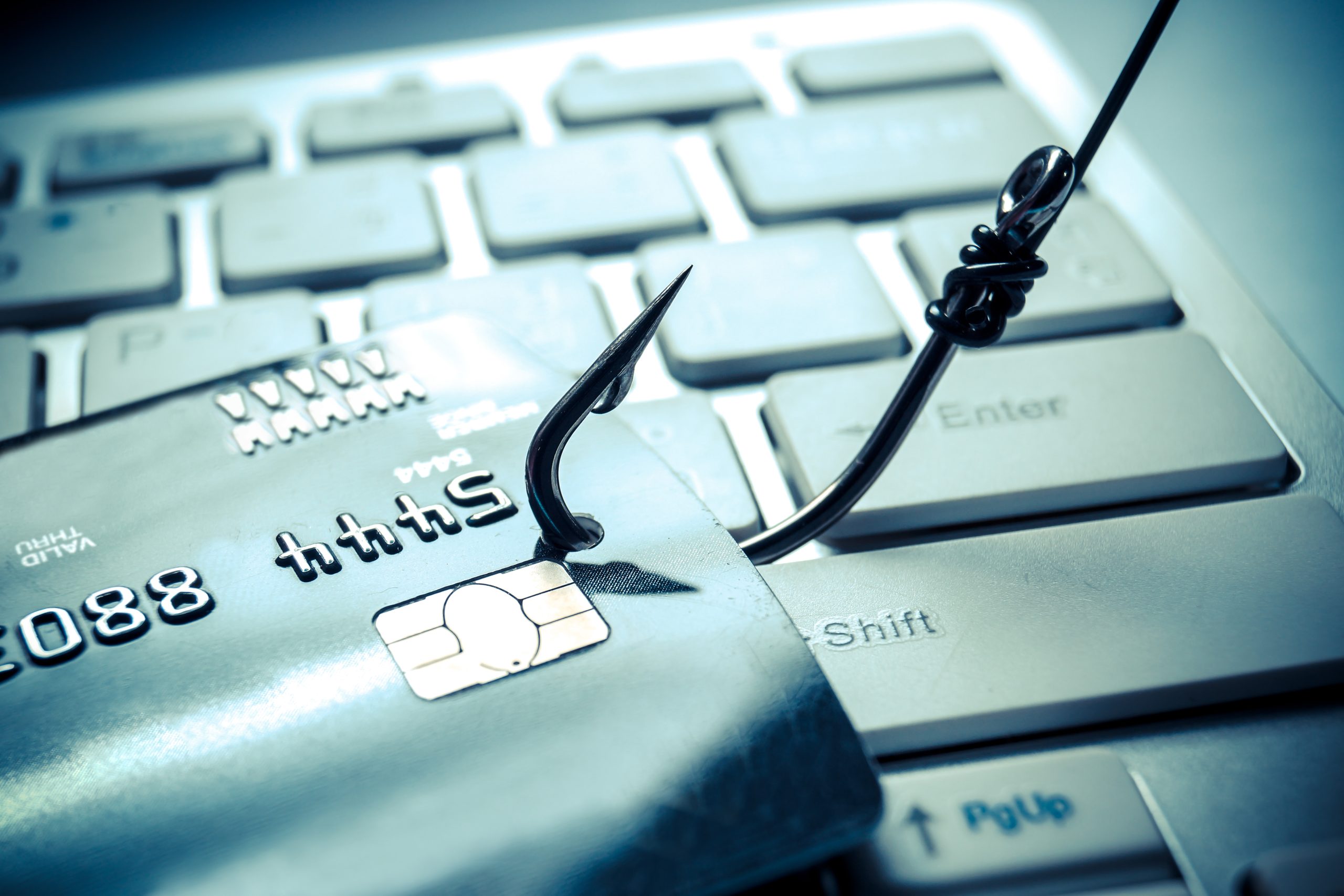
The digitalization that keeps us constantly connected and expands the reach of our world also opens the door to new threats, which lurk after our data—the most valuable treasure in the information society. Data is the key to accessing our resources, the fruit of our effort and our time, the most limited asset of all and the only one that cannot be bought. It does not matter if we are an individual or a company, and it does not matter what we do. We all share the responsibility of protecting our data, not only because of the damage its theft can cause us, but also because it can be used to attack others. Faced with an increasingly global and sophisticated threat, collaboration is the best shield to protect ourselves.
In the first four months of this fateful year, almost one million COVID-related spam messages, 700 cases of software, and another 50,000 malicious links were detected, according to Interpol data. And no less than 60% of large companies have suffered a cybersecurity incident in the last two years, a percentage that can only have increased during the health crisis. Improving the exchange of information on threats, attacks, and responses in the private and public sectors is essential to deter and respond effectively to cybercriminals. A global agreement on information sharing and the use of trusted platforms and networks could speed up the response to risks that transcend physical borders.
Banks, fundamental to driving economic prosperity, have always acted as an engine of innovation at the service of society. Digital transformation in the provision of financial services is a clear example. The expansion of mobile financial services—the only technological platform available to most people—increases the potential for profit for hackers. Cybersecurity is a priority for banks, which use all means at their disposal to guarantee the security of their customers and face the risks that will surely appear in the future. They have proven experience in protecting their customers’ personal and financial data, and they continuously review their defense, detection, and response capabilities against cyberattacks. But their success does not depend on them alone, but also on the responsibility of customers, who are the weakest link in the chain. Training and awareness of cyber risks is the best way to strengthen it.
José Luis Martínez Campuzano, spokesperson for the Spanish Banking Association