Home / Latest News / You may be interested in / AEB Informs / Equality or Equity?

Tomorrow is International Women’s Day. To acknowledge this, the media have been reporting for weeks on the position of women in various fields, especially in the workplace, according to the conclusions of the latest studies. Numerous forums of the most representative institutions and large companies address work-life balance, working hours, and the advisability of establishing female quotas. These are recurring issues each year because they remain unresolved. However, a new element has been introduced into the debate: the growing activism of women, driven by movements such as #MeToo in the United States, which has made the world talk about workplace harassment, or #NiUnaMenos in Argentina, which has given women a voice to share their most difficult experiences and protest against gender violence.
In the business sphere, a change has also occurred, stemming not so much from human rights concerns, but from a practical spirit that necessitates pursuing gender equality. It has been demonstrated that women are good for business. “There is a clear and widely studied correlation between the representation of women in leadership roles and positive outcomes in organizations,” states the World Economic Forum in its latest global report on the gender gap.
As in other sectors, the situation in the financial sector is clearly improvable. With this objective, the UK Government launched the ‘Women in Finance Charter‘ in 2016. The companies that sign it, mostly financial institutions, commit to promoting gender diversity through four key actions: having a Board member responsible for gender diversity and inclusion, setting internal targets for gender diversity in senior management, publishing annual progress on these targets in reports and on their websites, and linking a portion of senior management incentives to the achievement of these targets. Two years after its creation, the results are encouraging, as 85% of signatory companies have already met their targets or are in the process of doing so. But it’s not all good news. The British Treasury itself acknowledges that progress is slow in its March 2018 report. Added to this is the fact that men earn 35% more than women in the same position, and women’s emoluments are 52% lower in terms of variable remuneration, according to English regulations that require all companies to officially publish their gender pay gap.
Despite the seriousness of these findings, there is something even more concerning in the financial sector than the pay gap and the scarce female representation in management positions: women’s lack of access to the financial system. Although significant progress has been made in financial inclusion worldwide, we are still far from meeting the World Bank’s goal of universal access to the financial system by 2020. Currently, 1.7 billion adults lack a current account, of whom 1 billion are women. Not having a current account means not having access to savings products, credit, and basic personal insurance and family care. Women, in general, live longer and earn less, which reduces their savings capacity. Furthermore, their financial literacy is often limited, leading to poorer money management, which makes them financially dependent and makes effective equality with men almost impossible. Reducing the gender gap in inclusion, a scourge that has not been reduced since 2011, and achieving greater financial education for women would foster greater stability in the banking system and improve economic growth. For this reason, Spanish financial institutions dedicate vast material and human resources to projects with these two objectives.
There is a consensus that 2018 was an important year for women. Many leaders raised their voices to speak of their triumphs and the obstacles they encountered in the business world. In Spain, a government composed mostly of women was appointed; in Saudi Arabia, women were allowed to drive; and in the United States, a Muslim woman and a Native American woman were elected to Congress. Perhaps in isolation, these facts may not seem significant, but together they reflect that 2018 paved the way for further progress in 2019. For this expectation to become a reality, all societal actors must be involved: from employees demanding equal opportunities and pay, to investors seeking more competitive companies, to customers choosing products and services based on companies’ commitment to diversity. This long list of protagonists must include parents who educate their children in equality, regulators who understand that achieving parity requires implementing measures that make the workplace more equitable, and companies that entrust their destiny to executives fully convinced that diversity, inclusion, and equity are three fundamental pillars for both their survival and their development. The journey is made by walking, but we must quicken our pace.
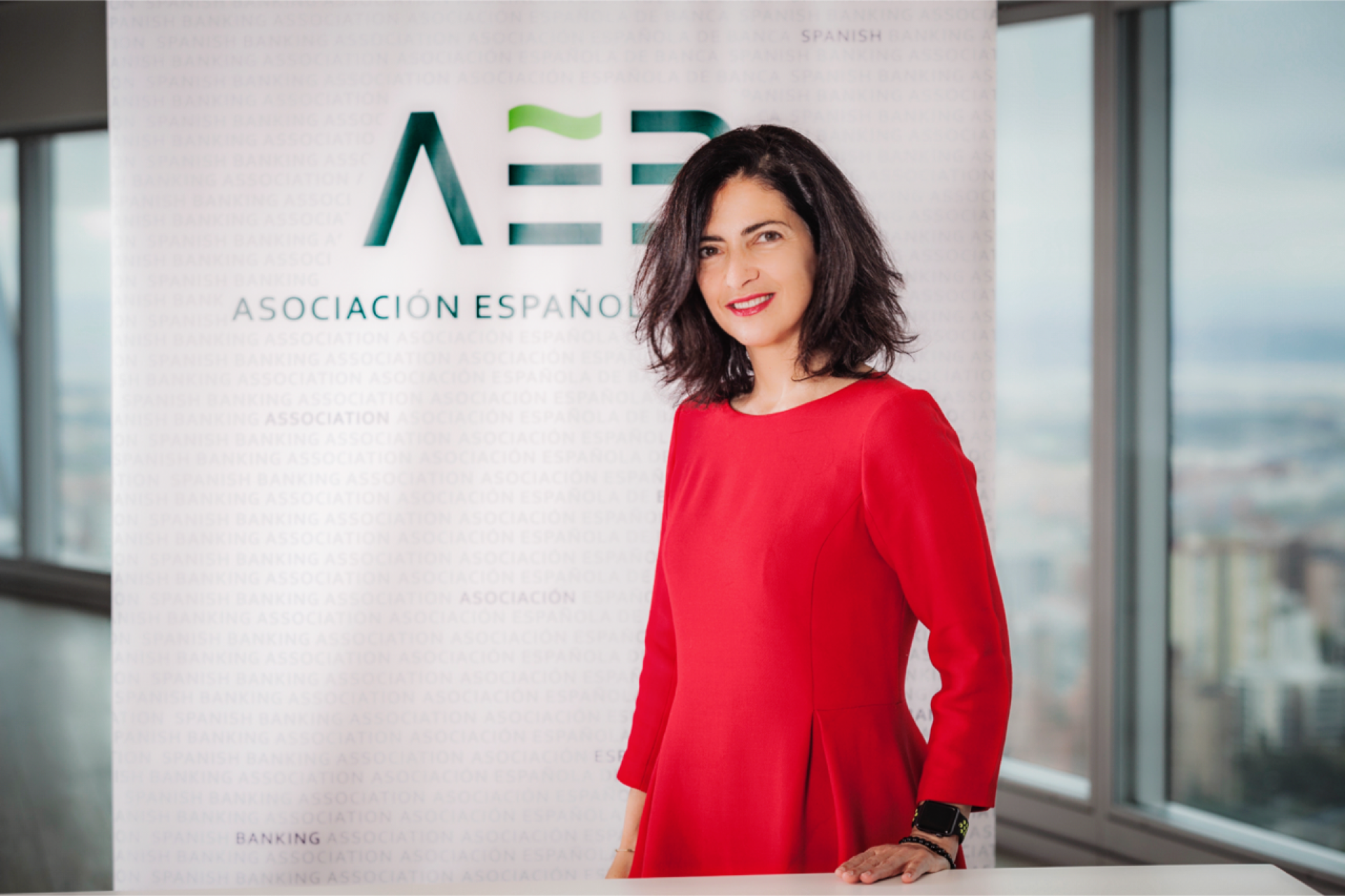
Beatriz Morilla, Head of CSR at the Spanish Banking Association