Home / Latest News / Press releases / The banking sector confirms progress in its social commitment
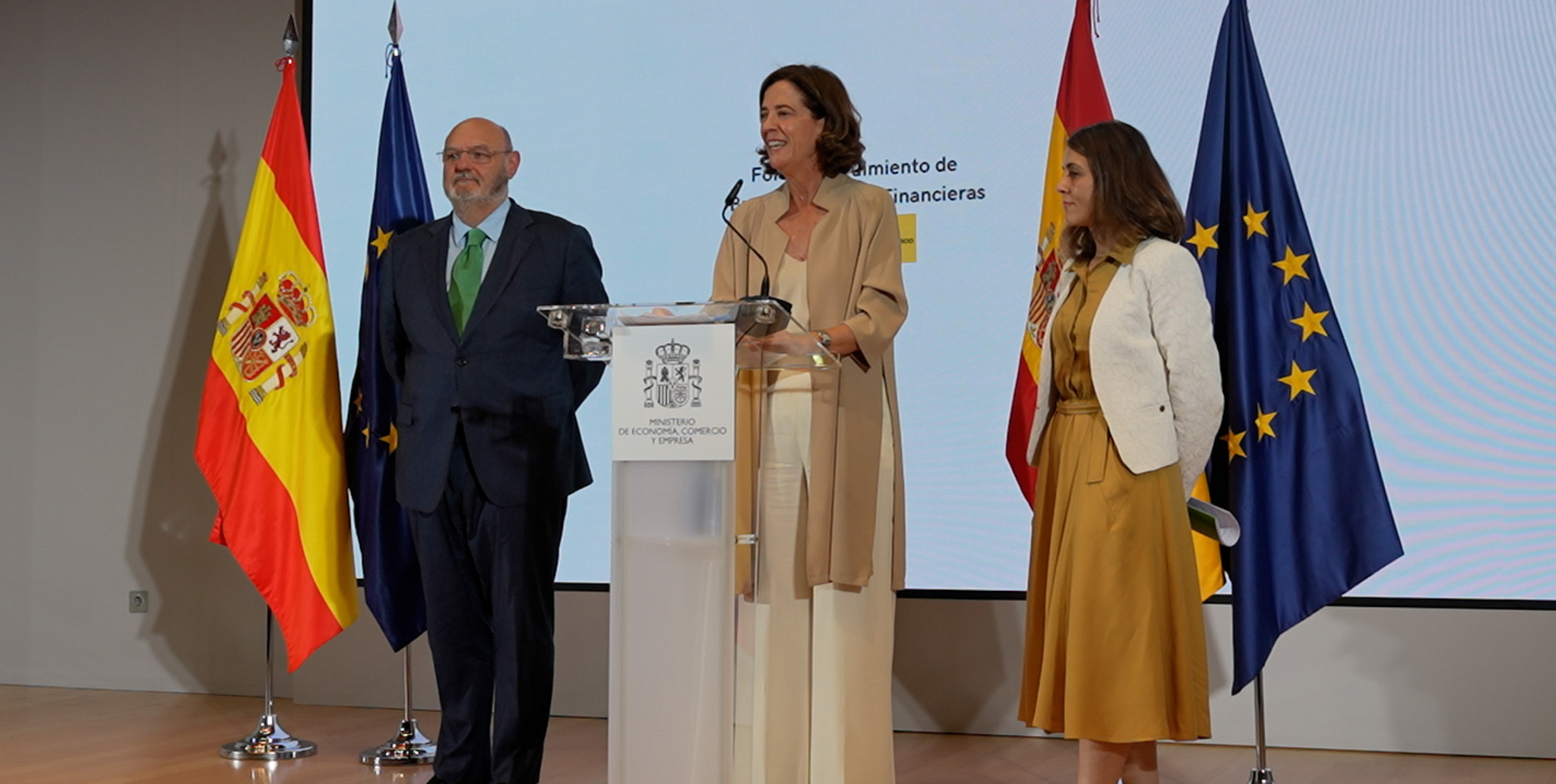
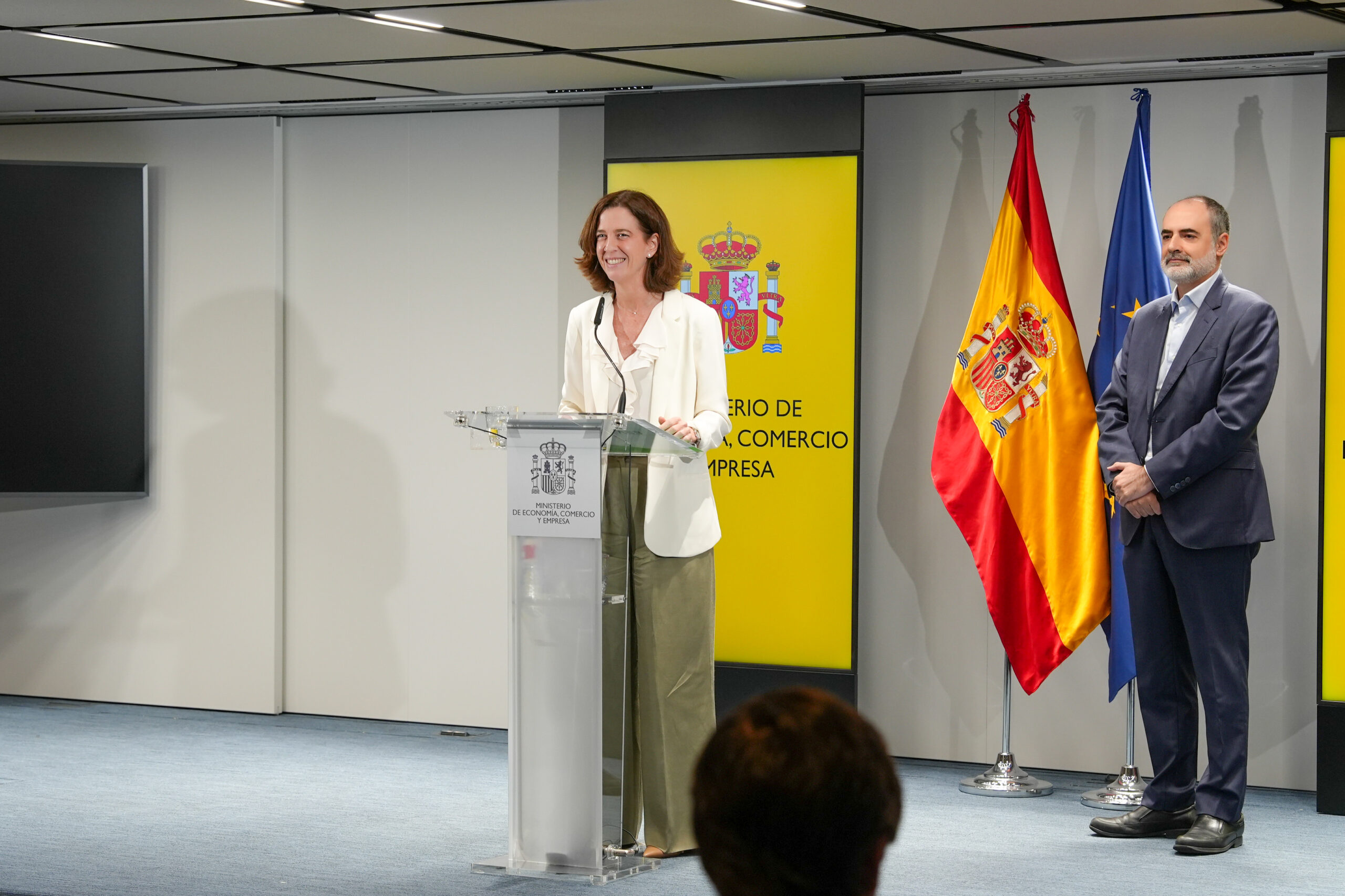
The Spanish Banking Association (AEB), CECA, and the National Union of Credit Cooperatives (Unacc) held a follow-up meeting with the Minister of Economy, Trade, and Enterprise, Carlos Cuerpo, seniors’ associations, consumer associations, and, on this occasion, the Ombudsman, to assess the progress made by the banking sector regarding financial inclusion, including improvements in access to banking services in all Spanish municipalities and personalized care for senior customers and people with disabilities.
Specifically, the three associations reported progress in the implementation of the Roadmap to reinforce access to banking services in rural areas, agreed upon in October 2022, and were able to confirm improvements in accessibility across Spanish territory. At the end of 2023, the population residing in a municipality without a physical banking access point stood at 0.9% (432,081 inhabitants), representing an improvement over the 1.4% recorded at the end of 2021.
Since the implementation of rural financial inclusion measures by the sector, more than 225,000 citizens living in 555 municipalities now have a physical banking access point, as shown in the “Report on Financial Inclusion in Spain 2023”. Nationally, Spain has the third densest network of bank offices and branches in the entire European Union, with 83,000 access points to banking services.
The capillarity of bank branches and other communication channels offered by credit institutions, along with public transport infrastructure, guarantee access to banking services in all municipalities and within cities throughout Spanish territory, as this same capillarity and coverage ensure that there are no accessibility issues in any neighborhood.
The mobile branch (ofibús) formula has been especially successful. Today, these mobile offices provide financial services to 827 municipalities where 180,623 people live. Before the end of this year, this service modality will be extended to another 500 municipalities, exceeding a total of 1,500. The mobile branch is a formula highly valued by customers in these types of municipalities because, compared to other solutions, it offers human contact with an agent.
On the other hand, AEB, CECA, and Unacc highlighted progress in implementing measures to improve personalized care for people over 65 and people with disabilities, agreed upon in February 2022. According to the 2023 Annual Report, 81% of branches have extended opening hours (from 9:00 AM to 2:00 PM), more than double the initial figure, benefiting 6.5 million seniors over 65.
Additionally, 2.4 million people over 65 have received personalized telephone assistance, handled by people and at no additional cost. Along with this, 93% of ATMs are adapted to the needs of these groups, with a very similar percentage for websites, and more than 60,000 employees have been trained to assist the elderly, with nearly 4,000 senior advisors also present in branches.
Furthermore, the banking sector maintains the commitment made on March 9, 2023, to keep savings books operational for our seniors. Financial institutions are fully aware of the value that a significant portion of their customers place on this instrument, which is deeply rooted in our financial culture, and maintaining this service for those who identify as “analog” is another example of the banking industry’s effort to address the multiple and diverse sensitivities of the population.
From the outset, the banking sector has implemented the necessary measures to monitor progress through surveys conducted by independent entities, such as the Inmark Group, which confirm the improvement in personalized care for the elderly. In this regard, the banking associations point out that, following the Government’s initiative to promote a measurement of access to services, this should be extended to all types of public and private services to assess the situation.
Along with this, AEB, CECA, and Unacc also wished to highlight progress in the commitment to financial education, with 660,000 participants over 65 in financial knowledge and digital skills training programs in 2023.
The commitment to financial and digital education is also permanent following the launch of the “Aula Financiera y Digital” platform, which recently added 90 new training initiatives, in addition to incorporating a new space dedicated to cybersecurity information and awareness, with content in various formats to prevent cyber scams.
Also in this area, AEB, CECA, and Unacc, together with ASNEF, developed the campaign “Protect yourself, preventing fraud is in your hands,” to raise awareness among citizens about the necessary precautions to protect their data on digital platforms, which has reached more than 6.9 million people through different formats and generated over 15.4 million impacts.
Finally, as an example of the effort institutions are making to improve their customers’ digital skills through various programs, it is worth noting the usage data for the Bizum immediate payment platform, particularly among seniors, with 50% growth over the last three years. Thus, at the end of 2023, 55% of seniors between 55 and 64 use this service, as do 33% of people between 65 and 74, and 11% of people over 75.