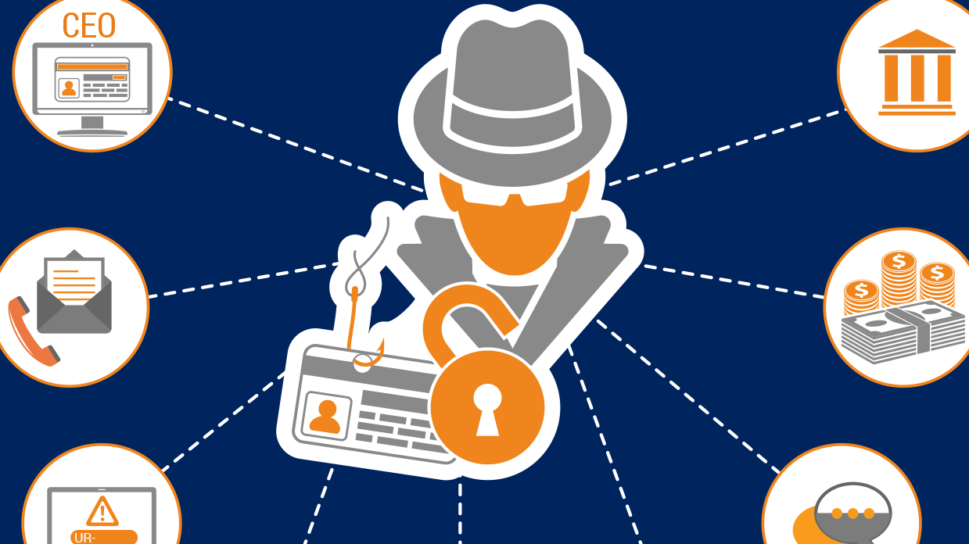
CEO Fraud: They Pretend to Be Your Chief Executive Officer
17 October 2018
CEO fraud occurs when an employee authorized to make payments is tricked into paying a fake invoice or making an unauthorized transfer from the company account.
How does it work?
The method relies on an employee’s eagerness to promptly attend to tasks requested by a senior executive. Fraudsters often have considerable knowledge about the organization and the emails appear very convincing.
What are the warning signs?
Phone call or email from a senior executive with whom you are not normally in contact.
Request for absolute confidentiality.
Pressure and sense of urgency.
Exceptional request that contradicts internal procedures.
Threats or flattering comments or promises of reward.
What Can You Do?
AS A COMPANY:
Be aware of the risks and ensure employees are also aware.
Encourage your staff to be cautious about payment requests.
Implement internal protocols for payments.
Implement a procedure to verify the legitimacy of payment requests received by email.
Establish procedures to manage fraud.
Review your company website content, limit information, and be cautious with social media.
Modernize and update the security of your systems.
Always contact the police in case of attempted fraud, even if you have managed to avoid it.
AS AN EMPLOYEE:
Strictly apply the established security procedures for payments and purchases. Do not skip any step and do not yield to pressure.
Always carefully review email addresses when dealing with sensitive information or money transfers. Fraudsters often use fake emails where a single character differs from the original.
If you have doubts about a transfer order, consult an expert colleague, even if you have been asked for discretion.
Never open suspicious links or files received by email. Be especially careful when checking your personal mailboxes on company computers.
Limit information and be cautious on social media.
Do not share information about the company’s hierarchy, security, or procedures.
If you receive a suspicious email or call, always inform your IT department.
Download the infographic with tips to avoid becoming a victim of this fraud.