Home / Latest News / You may be interested in / AEB Informs / Money in the Era of Immediacy
A small business in a beautiful village in Salamanca. In the past, I had been warned that they only accepted cash. However, this holiday, the owner surprised me by telling me that I could also pay by card. Why the change? “We have to modernize.” And I, imprudently, had left my card at home!
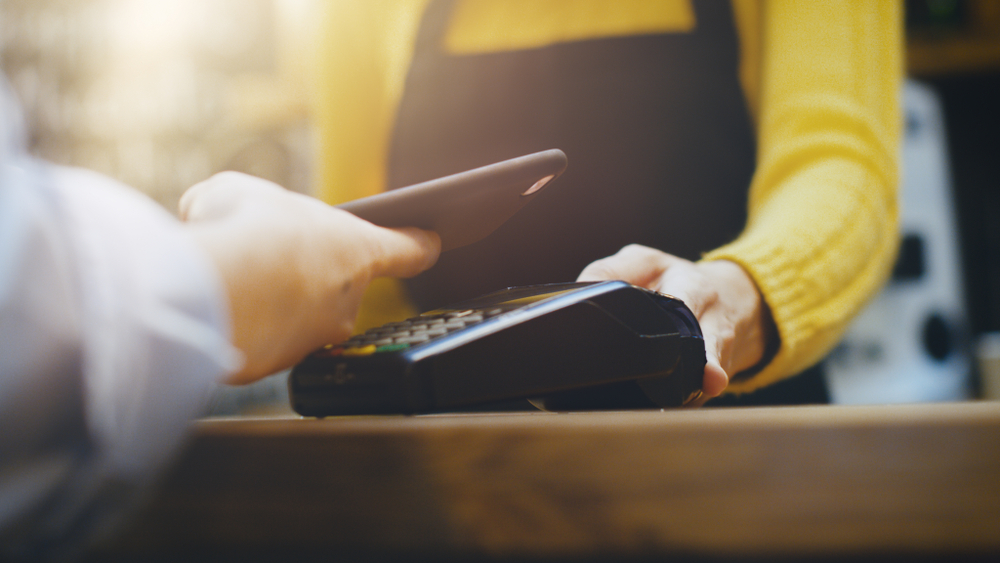
Naturally, this is just one example. But a good example of the changes occurring in how we pay. In the habits and also the trust of customers and businesses in the payment system, if we want to speak more technically. Cash is losing ground to alternative payment methods, generically referred to as electronic payments. Whether by card, mobile, or internet. The latest statistics from the Bank of Spain indicated that by the end of last year, card payments already exceeded the balance of cash withdrawals from ATMs. But, although statistics are limited for now, it is too early, in my opinion, to state that cash payment has ceased to be the most significant. Although the trend is obvious.
In Spain, it is estimated that there are 74 million payment cards, including debit and credit. And this figure increases annually by double digits. But, as I said before, it is increasingly easy to make payments even without a card. Bizum is a good example in Spanish banking for mobile payments between individuals. In the future, also for payments in stores. In fact, anticipating that future, we can think of simpler and more secure payment methods. And immediate, as substitutes for cash. Here
you have the key to all this progress in the payment system, which some have called the era of immediacy. For my part, I also demand that it be a process dominated by trust and security, nothing complicated, so that the change in payment habits we now see in new generations becomes widespread.
I believe it is a mistake to view the digital option as a substitute for branches, rather than the complement it should be.
The new billing methods applied by financial institutions to businesses and other services also favor the increased use of electronic payment instruments. Economic improvement, in a context of strong consumption growth, does the rest to explain the strong growth in credit card use. On the other hand, the increasing use of the internet by families makes it possible, with Spanish financial institutions facilitating the features of digital banking, to access most banking services with a click. That said, according to data from the Funcas and KPMG Financial Digitalization Observatory, only 13.7% of banking customers do so exclusively online. Here is a good argument for the good work of our institutions: investing in digital banking, anticipating the change in customer demand, but without neglecting traditional banking where personal relationships remain fundamental. All in all, I sincerely believe it is a mistake to view the digital option as a substitute for branches, rather than the complement it should be. The customer is king, as it should be.