Home / Latest News / You may be interested in / AEB Informs / An irreversible path towards a sustainable economy
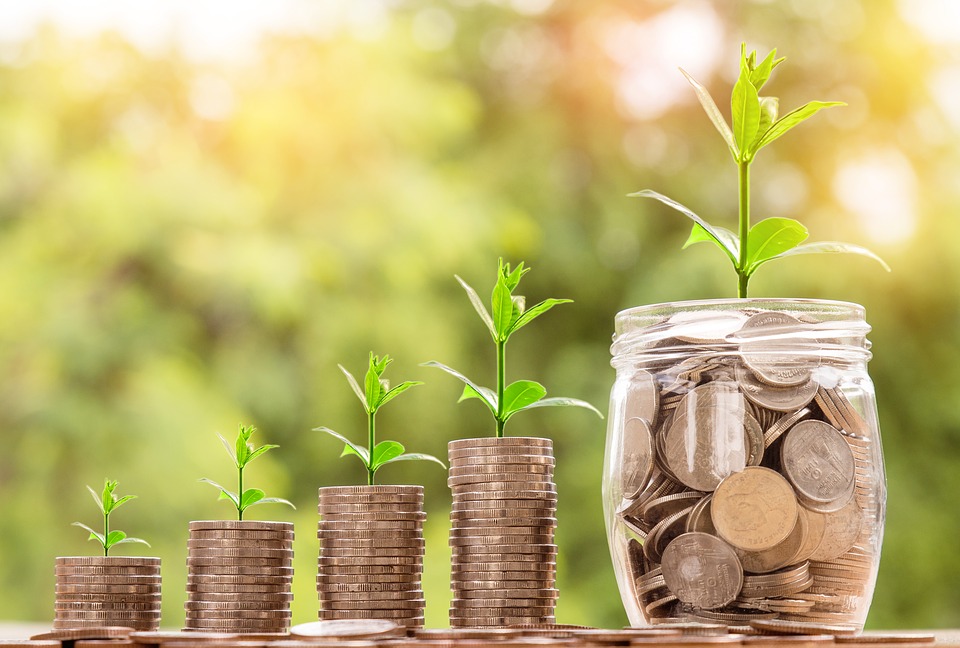
Authorities, mirroring their past approach in areas such as anti-money laundering efforts, will leverage the financial sector as a tool to drive the energy transition towards less carbon-intensive economic models that are more environmentally friendly and mitigate the impact of climate change, all while safeguarding financial stability. In summary, I wish to emphasize that sustainable finance has evolved from a reputational concern into a catalyst driving unprecedented change within the financial landscape and economic growth models.
Six major global milestones have contributed to this transformation.
1.- Firstly, the United Nations Global Agenda outlines the international community’s objectives for the 2016-2030 period to eradicate poverty and foster sustainable and equitable development. Key elements of this agenda include the Paris Agreement on climate change and the United Nations Sustainable Development Goals (SDGs).
2.- Secondly, regulation, supervision, and recommendations from international bodies, such as the European Commission (EC), the Financial Stability Board (FSB), the European Parliament, or the Network for Greening the Financial System (NGFS). All agree on identifying the financial system as the key sector for achieving a successful transition.
3.- Thirdly, there is the enormous market opportunity generated by these SDGs. The European Commission estimates that to meet the 2030 climate change targets, an additional €180 billion annually is needed for investments in energy efficiency and renewable energies. This additional annual investment figure, equivalent to 17% of Spain’s GDP, can only be achieved with the participation of the private sector.
4.- Fourthly, the increasing pressure from institutional investors must be mentioned, as they request information on how companies integrate environmental and social aspects into their operations, as well as their long-term vision.
5.- Fifthly, there is the need for our banks to more accurately consider and measure these risks, which are real and present on their balance sheets. Authorities recognize this and will therefore regulate them.
6.- Finally, there are the banks’ various stakeholders. There is growing social awareness of these issues: poverty, climate, governance, natural resources, and energy. Sustainable finance is presented as an appropriate tool to address them all collectively, as they are all interconnected.
To understand the challenge of shifting towards a sustainable economic model, two things are necessary. Firstly, while the starting point is defined, neither the destination nor the speed and pace of arrival are, and these will likely differ for developed and emerging countries. Secondly, the uncertainties associated with the impact of climate change, and the long horizons of any contemplated transition, make its analysis particularly difficult.
José María Roldán, Chairman of the Spanish Banking Association