Home / Latest News / You may be interested in / Articles / Financial education: we have a lot at stake as a society
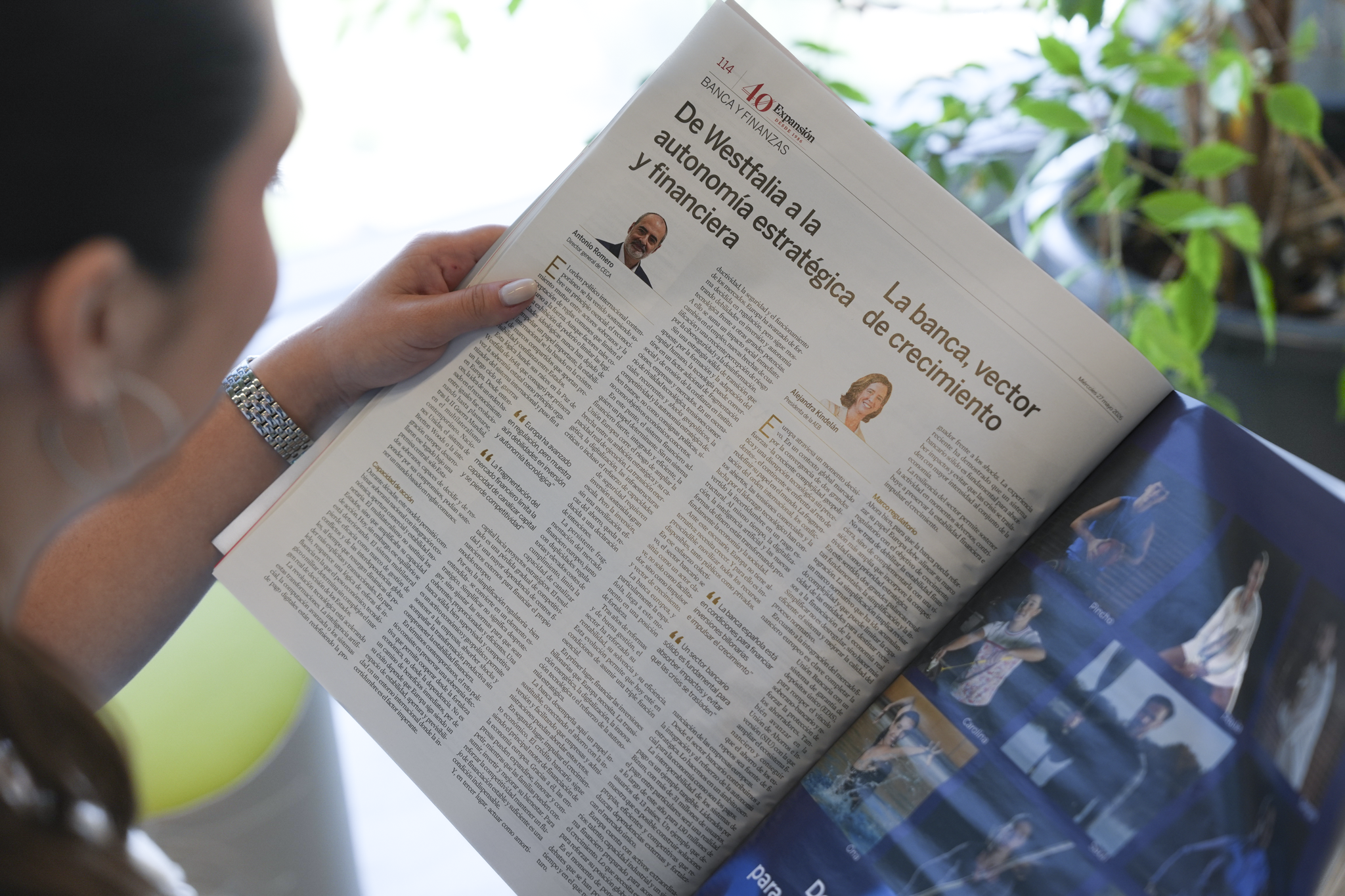
Only 18% of European citizens have a high level of financial knowledge, 64% have a medium level, and the remaining 18% have a low level. This is the main conclusion of the Eurobarometer published by the European Commission at the end of last year. Furthermore, there are significant differences in these figures among different countries. Only four countries have 25% of citizens with high scores, and Spain is not among them.
The European Council analyzed the Eurobarometer results at its May meeting and concluded that new measures must be taken urgently to promote financial knowledge in society. In its assessment, it maintains that financial literacy is important for improving citizens’ well-being and strengthening their financial inclusion, so that they are better prepared for the future and make investment decisions considering all existing possibilities, such as those arising from capital markets, which ultimately also contributes to financial stability.
How can this be achieved? For the Council, it is essential that financial education begins at an early age and continues so that it becomes a fundamental competency throughout life. In short, it clearly advocates for countries to incorporate financial education as an independent subject in school curricula.
Education in general, and financial education in particular, is always a good companion on the journey. Having financial knowledge provides us with peace of mind in managing assets and prepares us for potential unforeseen events that may arise along our path. At all stages of life, it is necessary to manage the resources we have, be aware that they are limited, and that it is essential to be realistic to avoid making errors in calculation and judgment.
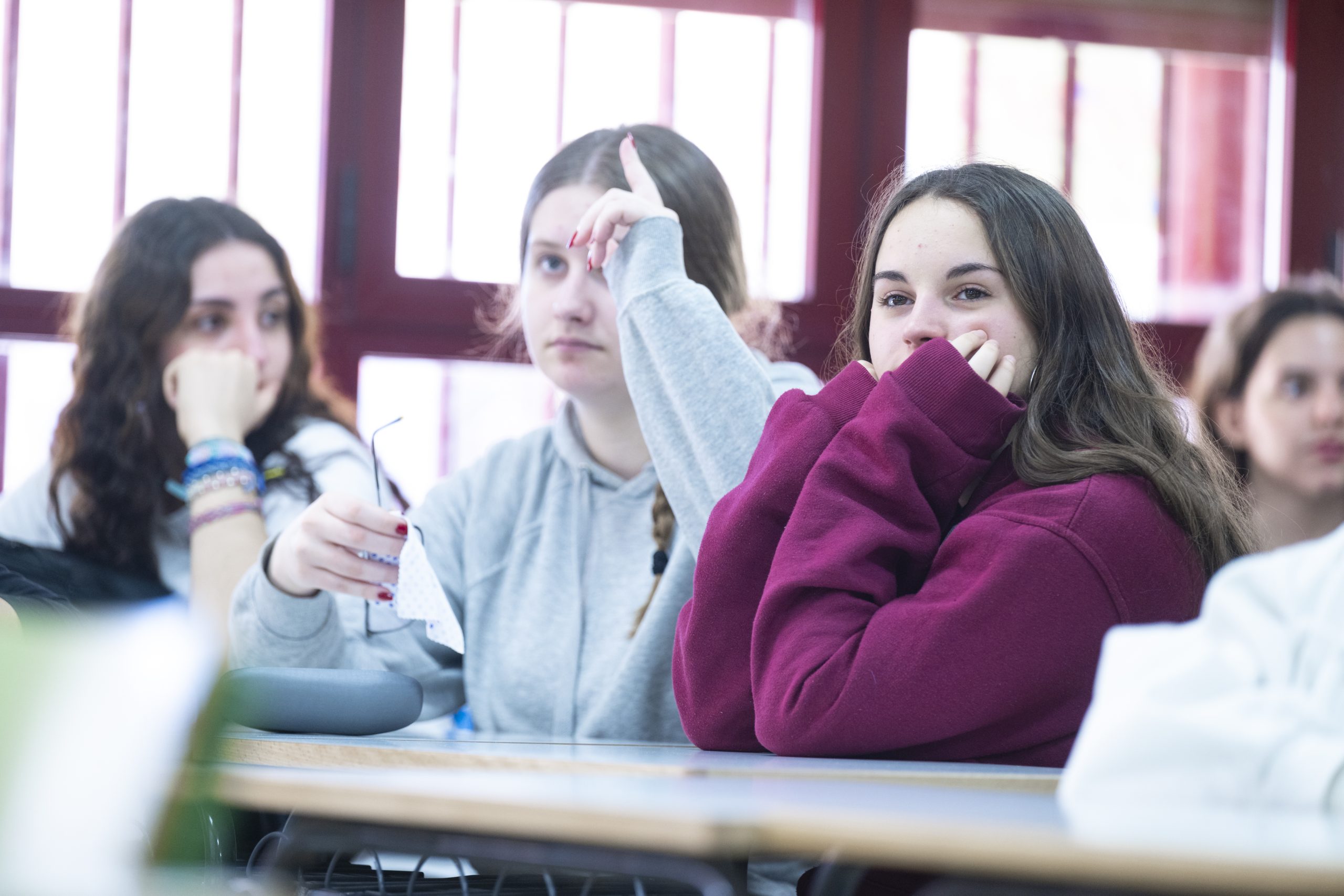
The banking sector has always been clear about this, which led us ten years ago to launch the ‘Your Finances, Your Future’ project with volunteers from AEB banks who go to schools and high schools to provide financial knowledge to secondary school students. The figures obtained during this period are impressive: 70,000 students throughout Spain have benefited from the program delivered by 5,000 volunteers.
In collaboration with the renowned Junior Achievement Foundation, the program addresses basic topics in finance, cybersecurity, and responsible consumption. The evaluations from students, schools, and volunteers have been very positive.
83% of students state that after the course they are more aware of the importance of saving, and 95% request that it be repeated. Schools also note that improvements in academic performance are evident, as well as non-cognitive benefits such as greater willingness to work hard, delayed gratification, and civic capital. In the case of volunteers, 100% want to participate again in a program that has already become a benchmark for financial education in classrooms.
The event organized at Cunef Universidad to celebrate the program’s 10th anniversary was attended by the Minister of Economy, Carlos Cuerpo, the President of AEB, Alejandra Kindelan, those responsible for the national plan Finanzas para todos, the General Director of Junior Achievement España, and principals, counselors, and teachers from participating educational institutions. For María Dolores López Fernandez, a secondary education teacher who participated in one of the panels, “financial education must become a mandatory subject because it is essential for young people’s future, whatever profession or trade they choose.”
We make decisions freely and are responsible for their consequences, so having the best possible education from the beginning contributes to the proper management of our personal finances, to better handling our money, something necessary at all stages of life. It is important that from an early age we are aware of what things cost, that we learn to differentiate between wants and needs, and that we become accustomed to thinking about saving for the future. These are basic notions of financial education that should be conveyed naturally at home and learned at school.
José Luis Martínez Campuzano, Spokesperson for the Spanish Banking Association