Home / Latest News / You may be interested in / Articles / Payment Methods in Europe
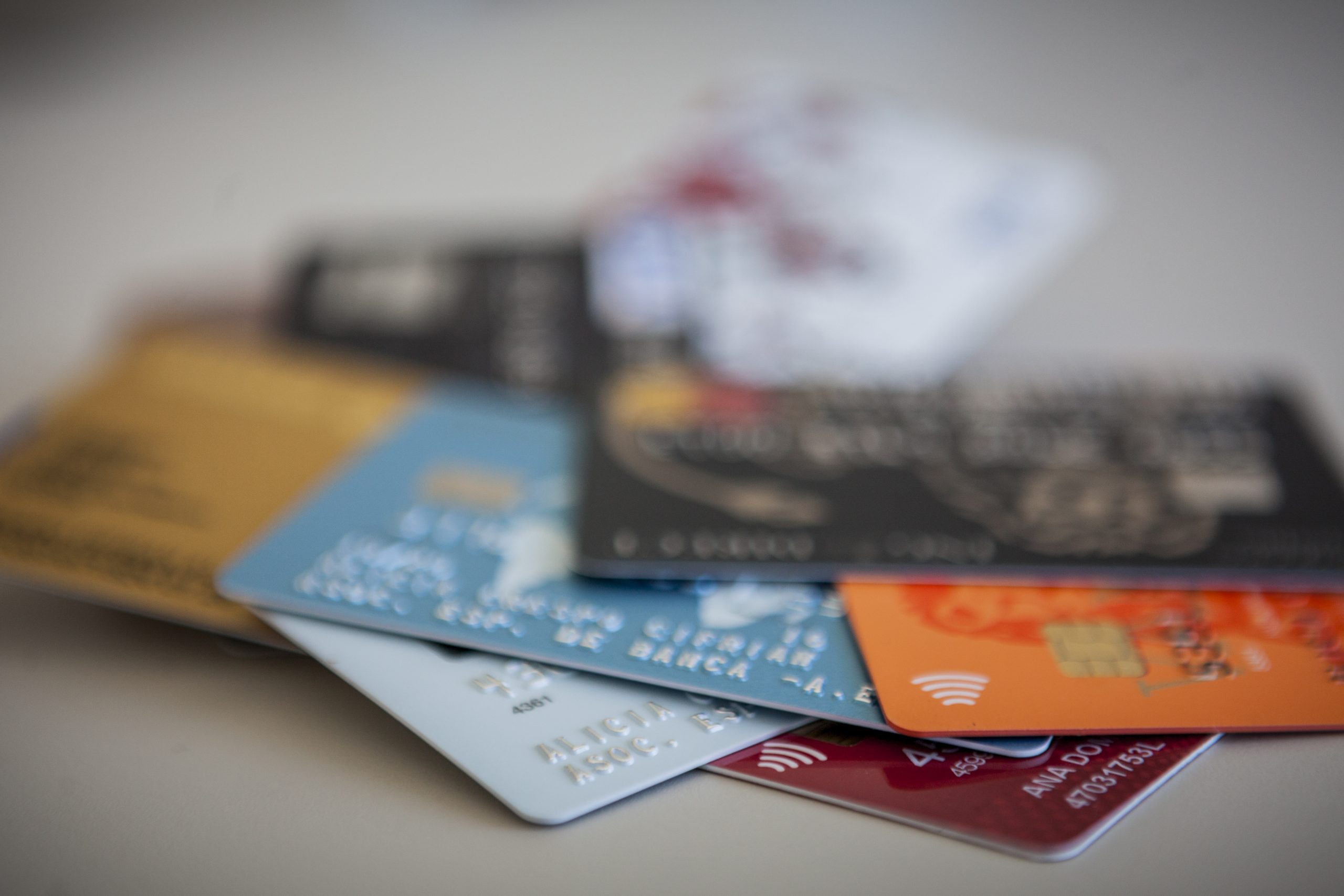
Cash remains the primary payment method in Europe. However, the use of alternatives to physical money is growing strongly. The number of non-cash payments increased by 7.9% in 2017, according to the most recent data from the European Central Bank (ECB). Half of these payments were made by card, followed by transfers and direct debits. This represents a simple distribution for an increasingly diverse and open payment ecosystem.
The use of payment cards increased by 11.2% last year, representing the highest growth recorded among alternatives to banknotes and coins. In 2017, 2% more payment cards were issued, meaning that each inhabitant has 1.6 cards. The average value of card transactions was €44, a figure that clearly demonstrates the growing penetration of cards in the lower-amount payment segment, where physical money still prevails. The number of transfers also grew by 5.5%, with marginal growth in regulated account debits.
It makes little sense to anticipate the end of cash use in Europe as a payment method in the foreseeable future. Beyond generational and cultural factors, there is also its consideration as a safe asset. Working against it is technological development that facilitates new payment methods that are safer, more convenient, efficient, and “cleaner,” since being able to trace money is essential in the fight against fraud. Cash payment makes it possible that, sometimes and unintentionally, one passively collaborates with fraud and the underground economy.
Digital disruption has an evident impact on the payment ecosystem. Customers demand new payment alternatives and banks redouble their efforts to offer them the range of possibilities that technology enables. Thus, they are immersed in a process of continuous innovation with the customer and the necessary security measures to guarantee their protection as the center of their strategy. Regulatory changes promoted by authorities to increase competition and transparency also affect the configuration of the payment system. In this new digital era, all payment providers—whether banks or not—must be subject to the same supervision and regulation to offer the same guarantees of security and protection to consumers. It is essential that the principle of “same activity and same risks, same regulation and supervision” applies.
Technology and regulation will be key in the future evolution of the payment system. But the most relevant aspect is that customers can decide how to pay and that their choice translates into new future advantages. New digital payment methods allow companies to better understand their customers, which in the long run will translate into improved service, with products and conditions more aligned with their preferences.